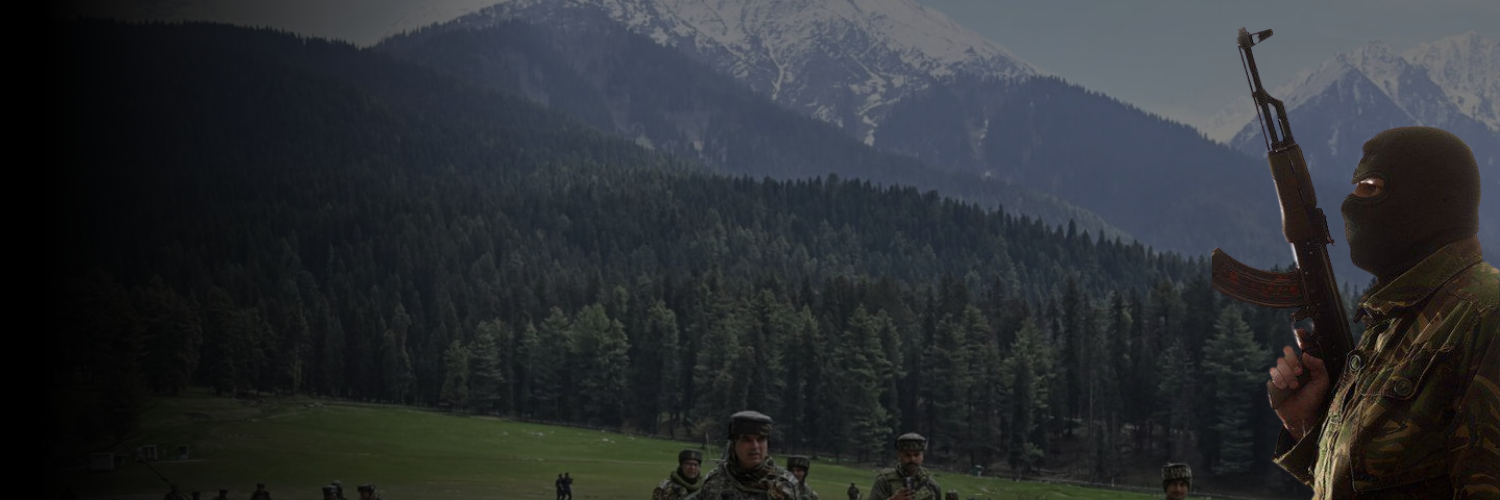
When people talk about Kashmir, they usually talk about 1947, religious identity, and national pride. But strip away the political speeches and look at the raw geography and economics, and you get a much more chilling reality. Kashmir is far more than a historic border dispute. It is a high-stakes battle for Asia’s most essential assets: fresh water, trade corridors, and future energy reserves.
First, consider trade logistics. India lacks direct overland access to Central Asia—a region that holds 7 percent of the world’s oil reserves, vast natural gas deposits, and about 40 percent of the world’s uranium. Indian exports have to travel thousands of kilometers more via Iran’s Chabahar port, rather than a direct route through Pakistan-Occupied Kashmir (PoK). PoK, meanwhile, remains the backbone of the China-Pakistan Economic Corridor (CPEC), providing Beijing with a direct overland route to the Arabian Sea.
And then there is the water crisis. The region of Jammu, Kashmir, and Ladakh is home to over 12,000 glaciers that feed the entire Indus river system. Under the 1960 Indus Waters Treaty, Western river flows support 80% of Pakistan’s agriculture. Delhi expedited key hydropower projects like Kishanganga and Ratle following cross-border terror attacks like the Pahalgam attack and India’s military response in Operation Sindoor. India is not cutting off water overnight, but it is building a long-term strategic lever over flows downstream.
Add in the game-changing discovery of lithium reserves in Reasi district, and the picture expands further. This isn't just a two-country standoff anymore. China sits at the headwaters of the Brahmaputra River in Tibet, giving it the ability to use water as a lever against India on a number of fronts—pressure on the Indus can be met with pressure in India’s northeast.
At Borders & Beyond we sift through the noise of today to identify the hard strategic drivers of global conflicts. Watch our 15-minute investigation below to see how trade, water, and critical resources make Kashmir the epicenter of a three-country fight for Asia’s future.